Why Early Music Education Matters
Music isn’t just entertainment — it’s a scientifically proven tool that not only benefits your toddler but also enhances cognitive, emotional, and motor development in children. Studies show that toddlers who engage in regular music classes demonstrate:
- 30–40% improvement in early language development
- Enhanced coordination and sensory awareness
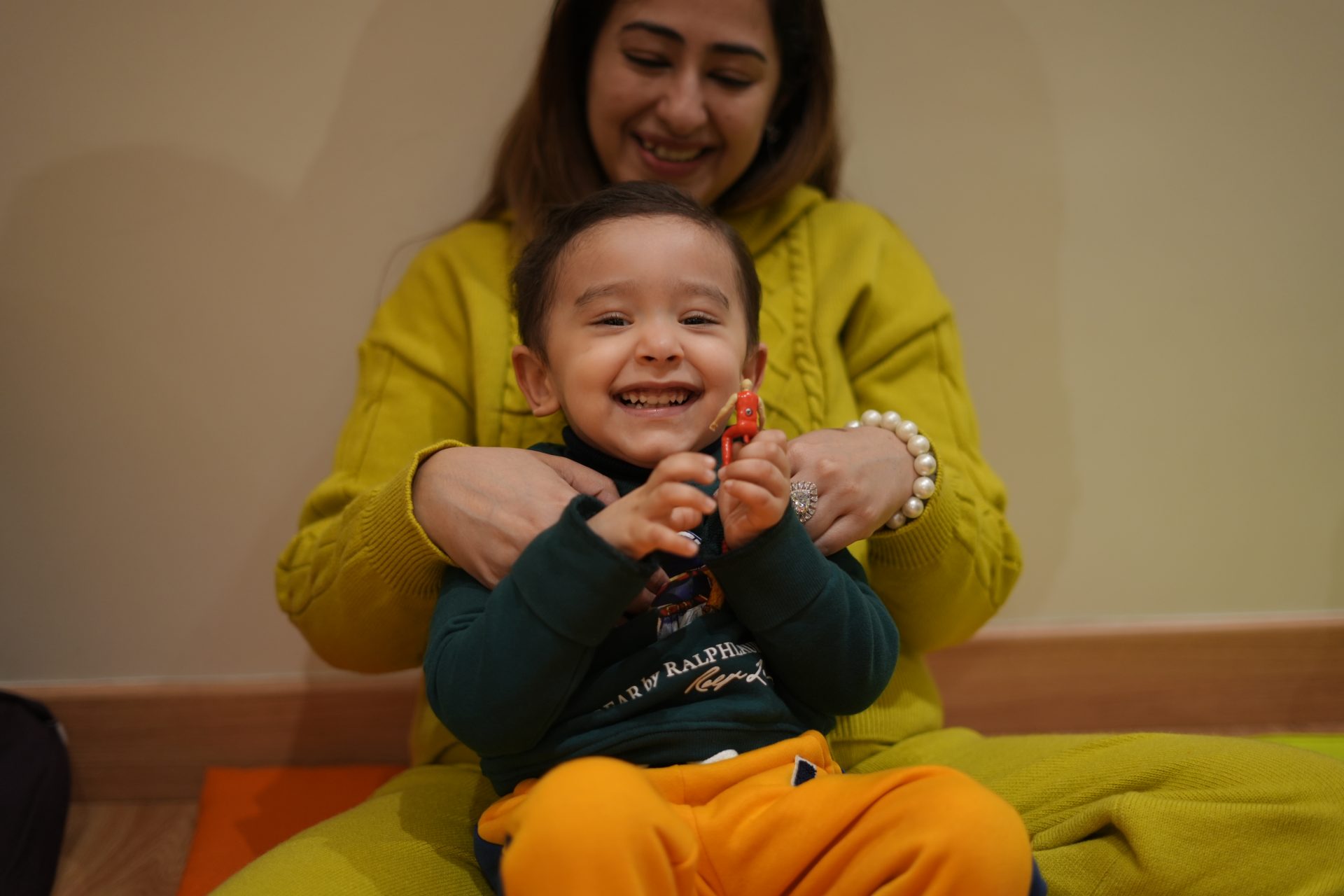
- Stronger parent–child emotional bonding
- Higher retention and focus during preschool learning
Age Group | Focus Area | Recommended Frequency | Average Class Duration |
6–12 months | Sensory & auditory development | 2 times per week | 30 mins |
1–2 years | Rhythm awareness & movement | 2–3 times per week | 30–40 mins |
2–4 years | Musical expression & coordination | 3 times per week | 45 mins |
4–6 years | Basic instrument awareness & singing | 3–4 times per week | 60 mins |
Music Class for Toddlers in JLT – What Parents Should Know
When searching for a music class for toddlers in JLT, focus on more than just convenience — look for evidence-based benefits and qualified instructors.
Key Data-Driven Benefits:
- Toddlers who attend weekly music sessions show 25% faster speech development
- Group classes enhance social adaptability by 40% compared to home learning
- Active rhythm activities improve motor coordination by 35%
Best Music Class for Babies – Science Behind the Sounds
The best music class for babies focuses on rhythm, repetition, and caregiver interaction — not formal training. Engaging in regular parent child music activities at home can further strengthen bonding and support your baby’s early learning journey.
According to research:
- Babies recognize familiar tunes as early as 5 months
- Exposure to rhythm patterns improves brainwave synchronization
- Gentle melody sessions can reduce infant stress by up to 50%
Parameter | Observed Benefit | Recommended Age |
Heart Rate Regulation | Calming effect after 10–15 mins of music exposure | 6–12 months |
Language Precursor Response | Improves sound–symbol connection | 9–18 months |
Emotional Bonding | Stronger parent–child attachment | 6–24 months |
Kids Music Classes in JLT – Long-Term Learning Outcomes
By age 3, most children can identify pitch, tempo, and rhythm — making kids music classes in JLT an ideal foundation for long-term skill building.
Measured Educational Impact:
- Cognitive skills improve by up to 20%
- Emotional expression increases confidence and adaptability
- Memory retention strengthens through repetition and melody association
Music Classes for Toddlers in Dubai – Trends & Insights
With Dubai’s growing focus on holistic child development, music classes for toddlers in Dubai have seen a 45% rise in enrollment since 2022.
Trends Driving Growth:
- Increased parental awareness of early cognitive benefits
- Diverse program offerings in JLT, Dubai Marina, and JBR
- Integration of multicultural music in toddler curriculums
Key Takeaways
- Music boosts both brain and emotional development in children
- Ideal starting age: 6 months – 4 years
- Frequency and consistency matter more than duration
- Choose programs supported by qualified instructors and age-specific structure
Frequently Asked Questions (FAQs)
- What is the ideal age to start music classes for babies?
Babies can start as early as 6 months with short, interactive sessions focusing on rhythm and sensory engagement. - How often should toddlers attend music classes?
For measurable results, 2–3 sessions per week of 30–45 minutes each are ideal. - Are group or private classes better for toddlers?
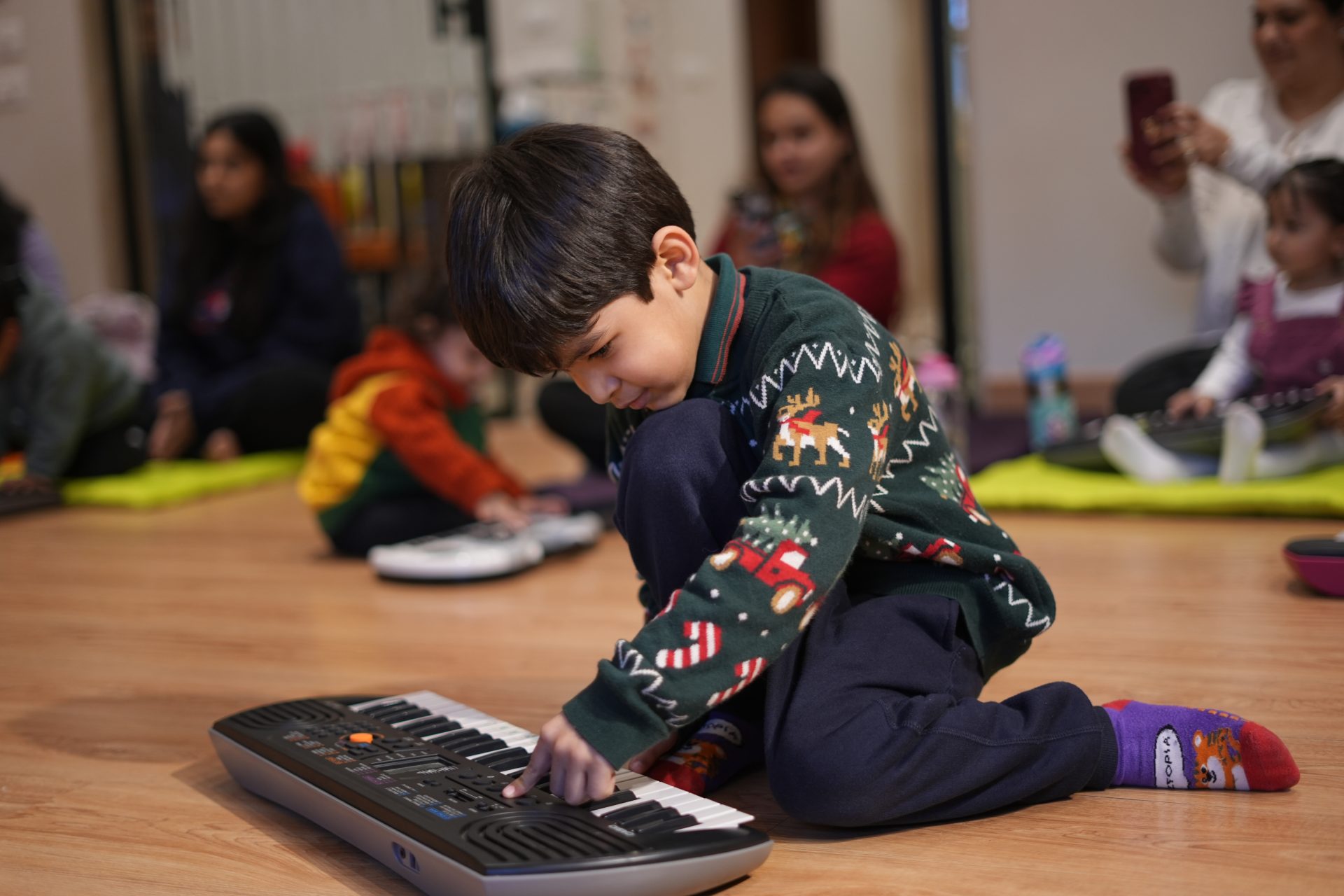
Group sessions help toddlers build social and listening skills, while private lessons work for focused learning. - What kind of instruments are used in early music education?
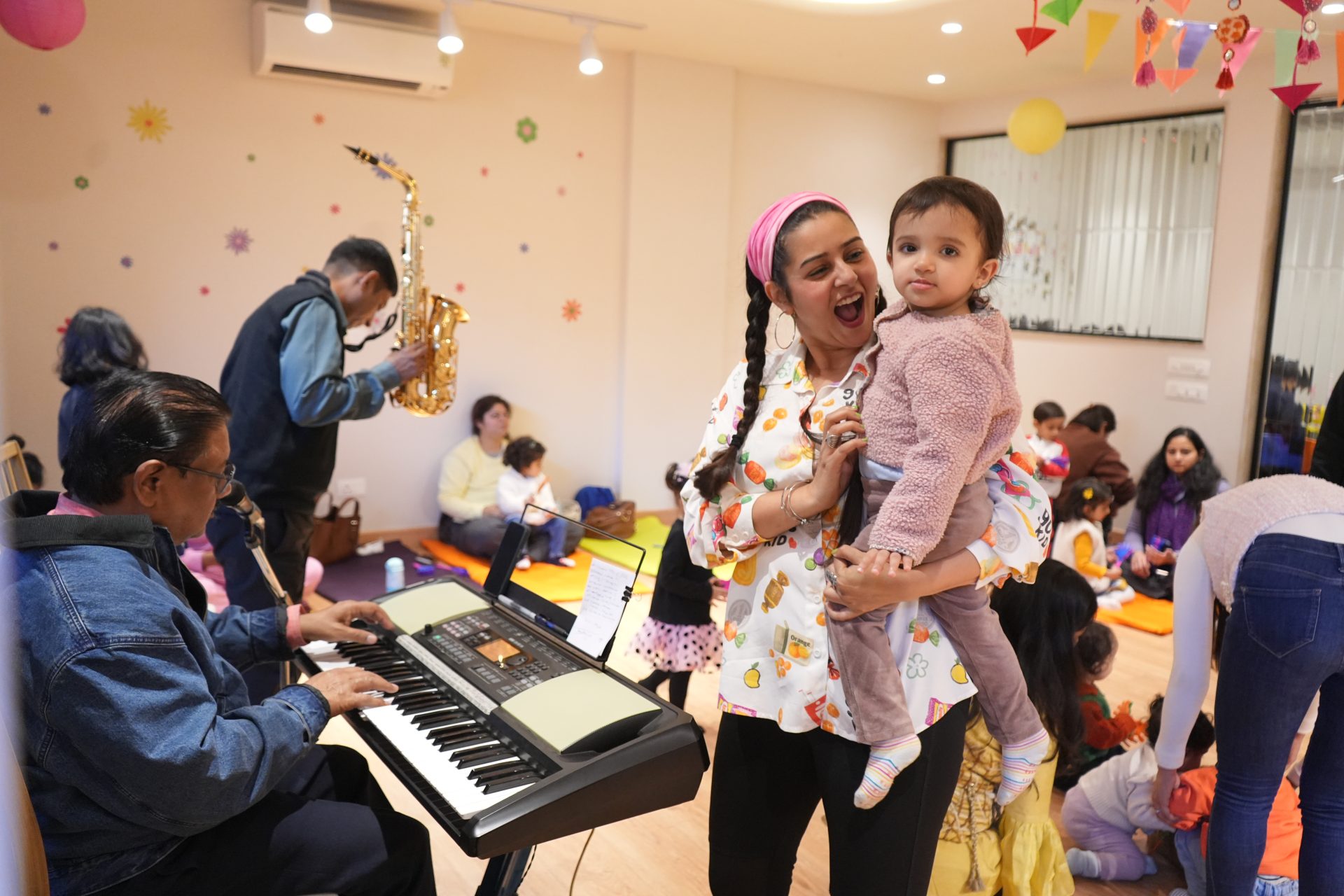
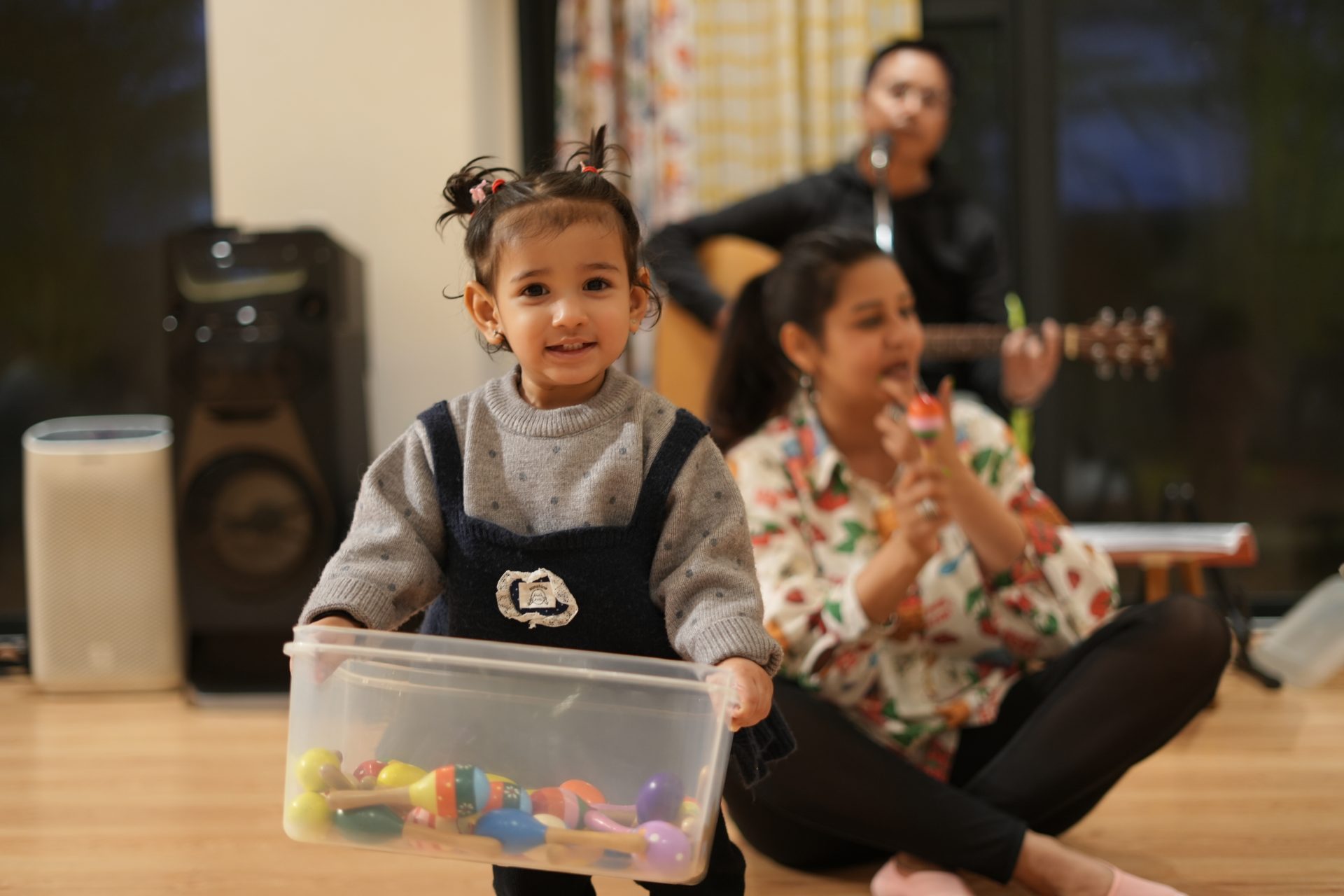
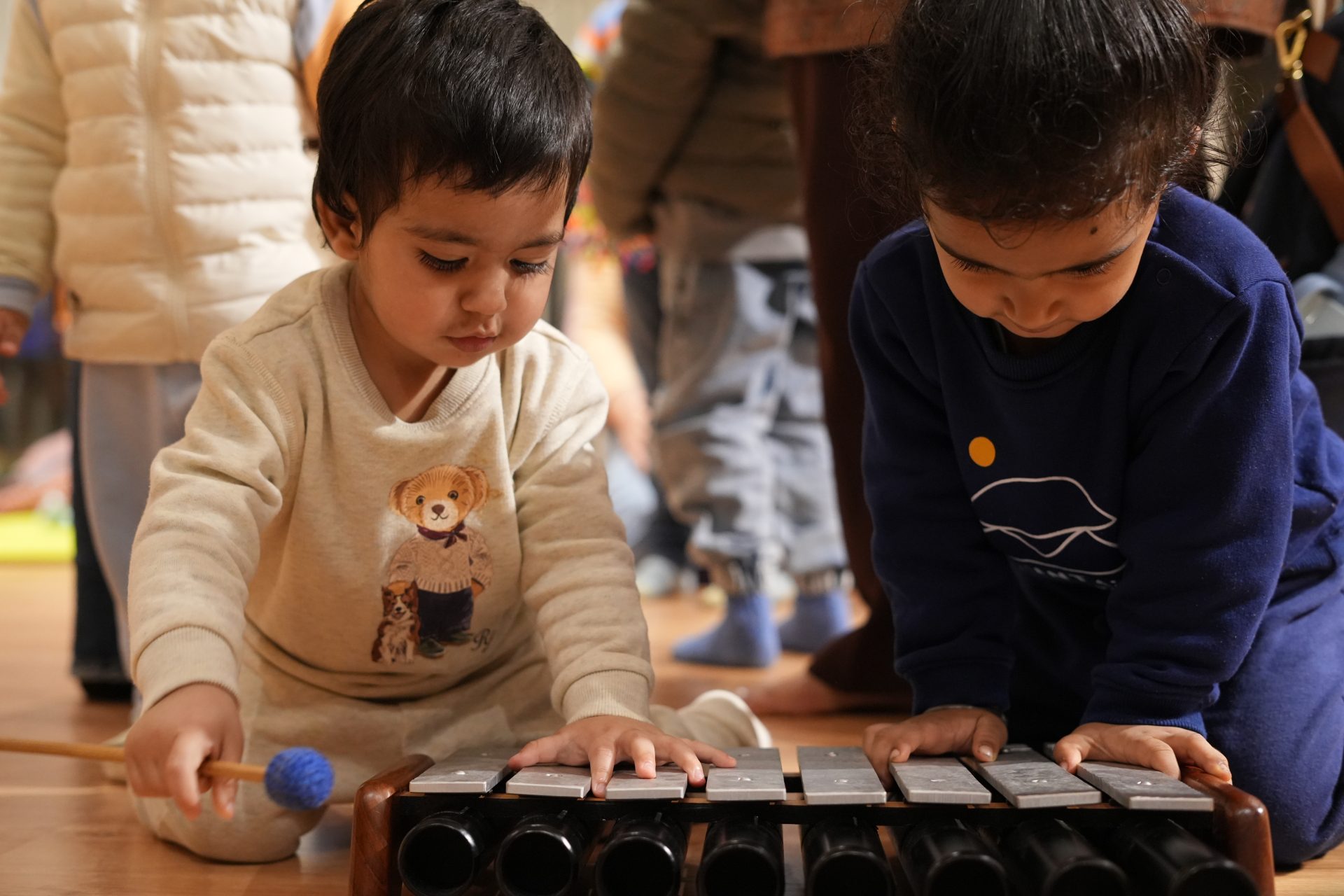
Common beginner instruments include shakers, drums, xylophones, and tambourines — designed for safety and engagement. - How do music classes support language development?
Repetitive melody and rhythm patterns improve phonetic awareness, leading to stronger speech and vocabulary growth. - What should parents look for when choosing a music class in JLT or Dubai?
Accredited instructors, small group sizes, and evidence-based curriculums are key factors to ensure learning quality.
Final Thoughts
Choosing the right music class for toddlers in JLT or the best music class for babies in Dubai can transform your child’s growth journey. Data consistently supports that music strengthens memory, communication, and creativity — all through the simple joy of sound and rhythm.
Enroll Now to Reserve Your Spot and help your child experience the joy of music, one beat at a time.